Understanding Stipends and Per Diems: A 2025 Guide for Employers and Employees
Choosing between offering employees stipends or per diems requires careful consideration of tax implications and best practices. This guide provides a clear, actionable framework for both employers and employees to navigate this complex area. We'll break down the key differences, explore tax implications, and outline best practices for successful implementation and compliance.
Stipend: Your Customizable Employee Benefit
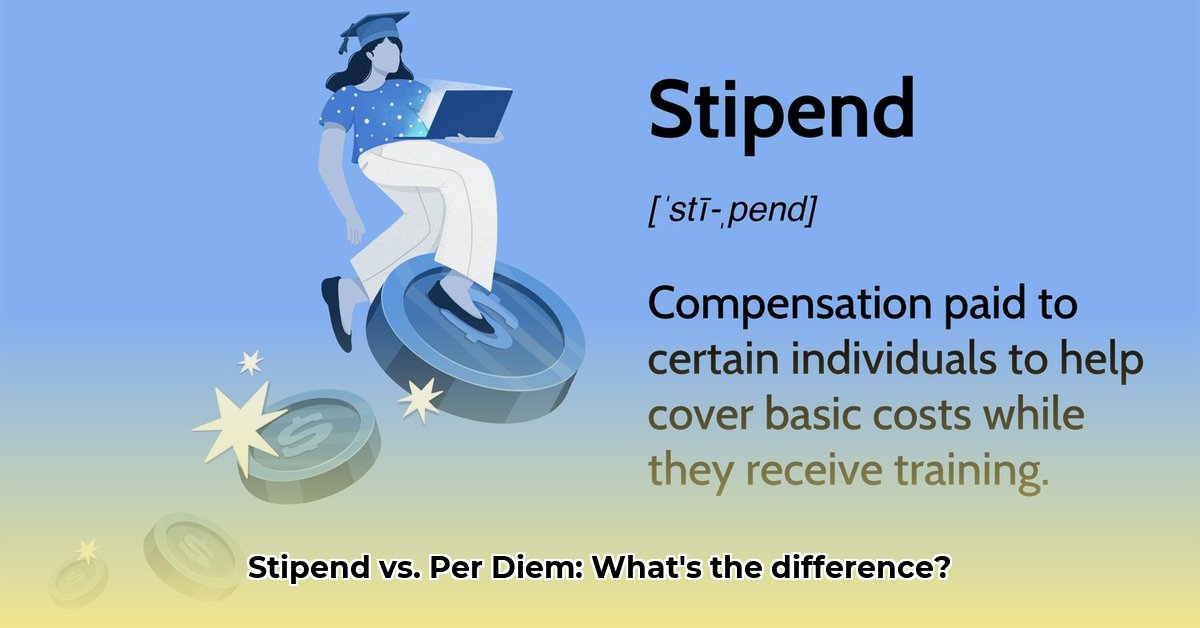
A stipend is a fixed amount of money given to an employee for a specific purpose, often outside of their regular salary. This could be for things like professional development, wellness initiatives (gym memberships, etc.), or childcare assistance. The key characteristic is its predetermined fixed amount, paid regularly. However, the taxability of a stipend depends heavily on its intended use and how it's structured.
Per Diem: Reimbursement for Travel Expenses
A per diem, in contrast, is a daily allowance specifically designed to reimburse travel expenses incurred while working away from home. This usually covers lodging, meals, and incidentals. The amount is often regulated and standardized based on location and expense criteria. While portions of a per diem might be tax-free, careful tracking and documentation are essential for compliance.
Stipend vs. Per Diem: A Detailed Comparison
The following table highlights the key differences between stipends and per diems:
| Feature | Stipend | Per Diem |
|---|---|---|
| Purpose | Varied (e.g., professional development, wellness) | Travel expense reimbursement |
| Payment | Fixed amount, regularly scheduled | Daily allowance, based on location and regulations |
| Taxability | Generally taxable, but exceptions apply | Portion often tax-exempt; careful documentation needed |
| Flexibility | More flexible, adaptable to various needs | More structured, subject to regulatory guidelines |
Navigating Tax Implications: A Critical Step
Both stipends and per diems have tax implications. While stipends are generally considered taxable income (unless specifically excluded under IRS guidelines), per diems frequently have a tax-free component provided the employee adheres to strict documentation and reporting requirements. Incorrect classification can result in significant penalties for both the employer and the employee. Seeking professional tax advice is strongly recommended.
Best Practices for Employers: Ensuring Smooth Stipend and Per Diem Management
Implementing effective stipend and per diem programs requires strategic planning and careful execution:
- Establish Clear Policies: Develop comprehensive written policies that detail eligibility criteria, payment amounts, allowable expenses, and tax implications. Transparency is key to employee satisfaction and compliance.
- Conduct Market Research: Analyze industry standards for similar benefits to ensure competitiveness and attract top talent.
- Utilize Software Solutions: Employ payroll software that efficiently tracks and manages stipend and per diem payments, simplifying administration and reducing errors. This improves accuracy and reduces manual workload.
- Stay Updated on Tax Laws: Regularly review and update your policies to comply with evolving tax regulations. This proactive strategy minimizes the risk of penalties.
Best Practices for Employees: Understanding Your Rights and Responsibilities
Employees should take an active role in understanding their stipend or per diem benefits:
- Ask Questions: Don't hesitate to seek clarification from your employer regarding tax implications and reporting requirements. Proactive communication prevents future misunderstandings.
- Review Documentation: Carefully examine all related documents to understand the terms and conditions of the stipend or per diem program.
- Maintain Records: Keep detailed records of all stipend payments and expenses incurred, including receipts and supporting documentation. This is crucial for tax purposes and in cases of potential disputes.
- Seek Professional Advice: Consult a tax professional if you have any questions or concerns regarding the taxability of your stipend or per diem.
Risk Assessment & Mitigation: Avoiding Potential Pitfalls
Potential risks associated with stipends and per diems include:
| Risk | Impact | Mitigation Strategy |
|---|---|---|
| Incorrect Tax Classification | Significant financial penalties | Professional tax advice, meticulous record-keeping |
| Policy Ambiguity | Disputes and employee dissatisfaction | Clear, concise policies; regular policy reviews |
| Non-Compliance | Legal and financial repercussions | Comprehensive training for employers and employees |
Making the Right Choice: Stipend or Per Diem?
The decision between a stipend and a per diem depends on the specific needs of both the employer and employee. Careful planning, clear communication, and adherence to tax regulations are vital for a successful outcome. This involves understanding the unique nature of each benefit, complying with current tax laws, and utilizing the proper documentation. Proactive communication and seeking expert advice can prevent potential issues. Regular policy review and compliance checks will ensure that your company's approach remains current with evolving regulations.
How to Negotiate Employee Stipends and Avoid Tax Penalties
Negotiating stipends requires a strategic approach that balances employee needs and tax compliance:
- Research Industry Standards: Determine competitive compensation benchmarks for similar roles and responsibilities.
- Quantify Your Needs: Clearly articulate the specific expenses the stipend will cover, providing detailed justification for the requested amount.
- Present a Well-Structured Proposal: Frame the request professionally, emphasizing the value and productivity gains the stipend will generate for the employer.
- Transparent Communication: Openly discuss the tax implications and reporting requirements, demonstrating a commitment to compliance and responsibility.
- Explore Alternative Compensation Options: Consider alternative arrangements, such as increased base salary or other tax-advantaged benefits.
- Document Everything: Secure written confirmation of the agreed-upon terms, including the stipend amount, purpose, and applicable tax implications. This crucial record safeguards both parties.
- Seek Professional Tax Advice: Consult a tax professional to ensure compliance with all relevant tax regulations and secure informed strategies for minimizing tax liabilities.
(Note: This guide provides general information and should not be considered tax advice. Consult with a qualified tax professional for personalized guidance.)